Self-storage is a convenient way to store items that you don’t have enough space for in your home or office. It’s a great solution for those who need extra space but don’t want to get rid of their belongings. However, choosing the right size self-storage unit can be challenging, especially if you’re not sure what size self storage do I need. In this article, we’ll take a closer look at what size self-storage unit you need.
Assess Your Storage Needs
Before choosing a self-storage unit, you need to assess your needs. What do you plan to store? How much space do you need? How long do you plan to keep your belongings in storage? Answering these questions will help you determine the size of the storage unit you need.
Make a List of Your Items
To get a better idea of how much space you need, make a list of the items you plan to store. This will help you determine what size storage unit you need. Be as specific as possible when making your list, including the dimensions of your furniture and appliances.
Consider Your Storage Options
Self-storage units come in a variety of sizes, from small lockers to large warehouse-sized spaces. There are a wide range of common common sizes of self-storage units and we will explore what you can expect to store in each one, later in the article.
Moving house and looking for temporary storage
The amount of self-storage space you need will depend on the quantity and type of items you plan to store. Here are some general guidelines to help you determine the size of storage unit you may need:
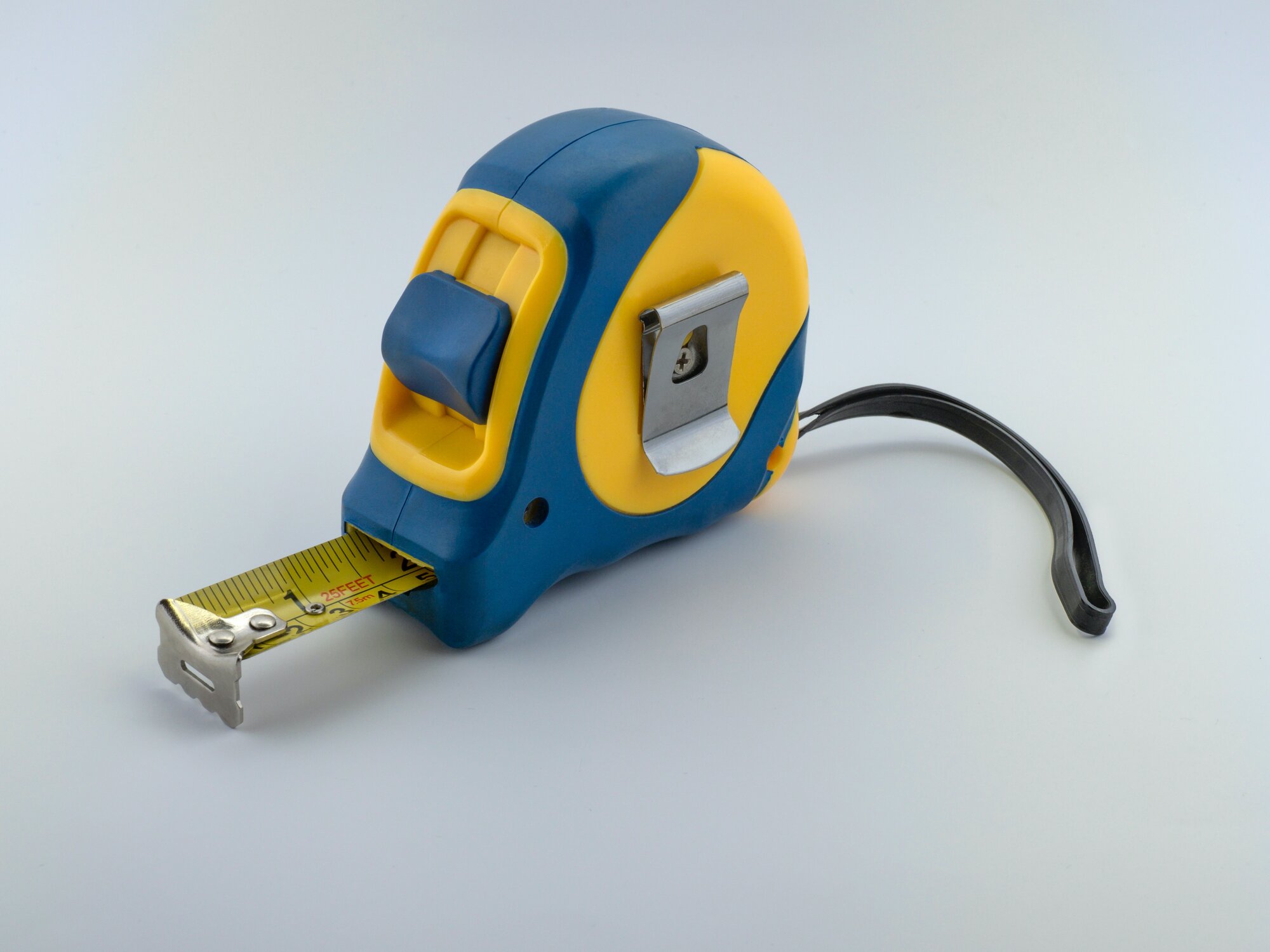
- Estimate the volume of your belongings: Measure the length, width, and height of your items, and calculate the total volume. This will give you a good estimate of the amount of space you need.
- Make an inventory: Make a list of all the items you plan to store. This will help you visualise the amount of space you need and help you determine the size of storage unit you need.
- Consult with the storage facility: Most storage facilities have staff who can help you determine the right size unit for your needs. They can provide you with guidance based on their experience and expertise.
As a rough guide, a 5×5 unit (25 square feet) can hold items such as a dresser, a mattress set, and small boxes. A 10×10 unit (100 square feet) can hold the contents of a one-bedroom apartment, while a 10×20 unit (200 square feet) can hold the contents of a two-bedroom house. However, these are just rough estimates, and you should always consult with the storage facility to determine the best unit size for your specific needs.
50% OFF* For The First 12 Weeks – Use Discount Code HUB123
* Terms & Conditions
Temporary storage space for businesses
As a business, the amount of self-storage space you need will depend on several factors, including the type of business you run, the nature of the items you need to store, and how frequently you will need to access your items. Here are some general guidelines to help you determine the size of storage unit you may need:
- Estimate the volume of your inventory: Measure the length, width, and height of your items, and calculate the total volume. This will give you a good estimate of the amount of space you need.
- Make an inventory: Make a list of all the items you plan to store. This will help you visualize the amount of space you need and help you determine the size of storage unit you need.
- Consider the frequency of access: If you need regular access to your stored items, you may need a larger unit that allows you to organize your inventory in a way that makes it easy to access specific items.
- Consider any special requirements: If your items require climate control or specialized storage conditions, you may need a larger unit that can accommodate those needs.
As a rough guide, a small business with a limited inventory may be able to use a 10×10 unit (100 square feet) or smaller, while larger businesses with a larger inventory may need a 10×20 unit (200 square feet) or larger.
Space requirements for an Ecommerce business operating from a self storage unit
Running an ecommerce business from a self-storage unit can be a cost-effective solution, but it’s important to optimise your storage space to minimise the unit size you need. Here are some tips to help you maximise your space and minimise your unit size:
- Use vertical space: Make use of the full height of your storage unit by stacking shelves or using tall storage containers.
- Use storage containers: Invest in sturdy storage containers that can be stacked and easily organized. This will help you optimise your space and make it easy to access your inventory.
- Organise your inventory: Keep your inventory organised by grouping similar items together and using labels to identify the contents of each container.
- Use multi-functional furniture: Consider using multi-functional furniture, such as storage ottomans or benches, to maximise your storage space.
- Rent a smaller unit: If you have items that are bulky or take up a lot of space, consider renting a separate space, such as a garage or workshop, to store those items.
- Keep only what you need: Regularly review your inventory and remove any items that are no longer needed. This will help you keep your storage unit organised and minimise the space you need.
By following these tips, you can optimise your storage space and minimise the size of the unit you need for your ecommerce business. However, it’s important to ensure that you have enough space to store your inventory safely and securely.
Looking for more information on storage unit sizes and cost?
What size self storage do I need?
A 5×5 storage unit is about the size of a small closet. This size is perfect for storing boxes, small furniture items, and seasonal items like clothes or decorations.
A 5×10 storage unit is about the size of a walk-in closet. This size is perfect for storing the contents of a small bedroom or office, including a mattress, a dresser, and several boxes.
A 10×10 storage unit is about the size of a standard bedroom. This size is perfect for storing the contents of a small apartment or a large office, including several boxes, furniture, and appliances.
A 10×15 storage unit is about the size of a large bedroom. This size is perfect for storing the contents of a two-bedroom apartment or a small house, including furniture, appliances, and several boxes.
A 10×20 storage unit is about the size of a one-car garage. This size is perfect for storing the contents of a three-bedroom house, including furniture, appliances, and several boxes.
A 10×30 storage unit is about the size of a two-car garage. This size is perfect for storing the contents of a large house, including furniture, appliances, and several boxes.
What size self storage do I need – Summary
Choosing the right size self-storage unit is essential for ensuring that your belongings are stored safely and securely. Assess your needs, make a list of your items, and consider your storage options to determine the size of the unit you need. With a little planning and preparation, you can find the perfect self-storage unit to meet your needs.
Read The Definitive Guide To Self Storage in Huntingdon
Frequently Asked Questions – Sizing a storage unit
1. How do I work out what size storage unit I need in Huntingdon?
To estimate what size you need, start by listing what you intend to store, furniture, boxes, equipment, stock, etc. Then compare that with typical unit size guides (e.g. how many small boxes fit in a 50 sq ft unit, or how much a 150 sq ft unit can hold). Think about whether you’ll need extra space to move around inside the unit or to access items regularly. If you’re unsure, make a sketch of your items’ footprint or take measurements; this helps match them to the unit sizes available from 20 sq ft up to 300 sq ft.
2. What are common storage unit sizes and what will they fit?
Different sizes suit different needs:
- 20 sq ft – small items, seasonal gear, a few boxes
- 50 – 70 sq ft – contents of a small room or office archive
- 100 – 150 sq ft – furniture from a one- or two-bed home or sizeable commercial stock
- 200 sq ft and above – larger family home, business equipment, palletised goods
Because Huntingdon properties vary, measure bulky or awkward items carefully and ask the facility for their typical layout plans to ensure a good fit.
3. Should I choose a bigger unit “just in case”?
Choosing a slightly larger unit can be wise if:
- you expect to add more items over time
- you need space to walk around and access your things easily
- you’re storing bulky furniture or business inventory
However, larger units cost more. If cost is a priority and your items are well defined, a smaller unit that matches your exact needs (with efficient packing) can be more economical. The Storagae Hub in Huntingdon can help review your list and recommend the best size.
4. How long can I store my belongings in Huntingdon, and does duration affect size choice?
You can typically rent a storage unit for as short as a few weeks or as long as many months (or even years). If you’re storing long-term and anticipate future needs for example, saving archived business records or excess stock it may justify choosing a unit with room to grow. For short-term needs (like during a move), selecting a size that closely matches your current volume helps control costs without over-allocating space.
5. How can I be sure I’ve chosen the right size before moving my items to Huntingdon storage?
To be confident:
- Take accurate measurements of all items
- Photograph or list everything you plan to store
- Ask for a space planner or size comparison guide from the storage provider
- Visit the facility to visualise the unit sizes in person
