The Definitive Guide To Self Storage in Huntingdon

Introduction: Understanding Self Storage in Huntingdon

Self storage has become an essential service across Huntingdon, driven by changing living patterns, smaller residential spaces, and the growth of home-based and e-commerce businesses. Whether for domestic or commercial purposes, modern storage facilities such as The Storage Hub provide flexible, secure, and scalable solutions tailored to a wide range of needs.

At its core, self storage allows individuals and businesses to rent a private, lockable unit within a secure facility, with the freedom to access their belongings when required. Facilities in Huntingdon typically offer units ranging from compact lockers (circa 20 sq ft) to large spaces of up to 300 sq ft, enabling customers to select precisely the amount of space they need

Security: The Foundation of Quality Self Storage

Security is one of the most critical considerations when selecting a self storage facility. A well-designed storage operation should incorporate multiple layers of protection to safeguard customer belongings.

At The Storage Hub, security is built into the facility design. Key features include high-definition CCTV monitoring operating continuously, electronic entry systems such as PIN or QR access, and individually secured units that customers lock themselves . This ensures that only authorised users can access both the site and their specific unit.

In broader industry terms, effective storage security typically consists of perimeter fencing, controlled entry points, surveillance systems, and alarmed environments. These measures work collectively to deter unauthorised access and provide peace of mind for customers storing valuable or sensitive items .

Importantly, internal storage units provide an additional layer of protection compared to external options, as they are housed within a larger building, reducing exposure to both environmental risks and opportunistic intrusion

50% OFF* For The First 12 Weeks – Use Discount Code HUB123

* Terms & Conditions

How to pack for self storage? The Storage Hub

Access: Convenience and Flexibility

Access arrangements are a defining feature of any storage solution. Customers require a balance between convenience and controlled security.

The Storage Hub offers access seven days a week, typically between 7:00am and 7:00pm, ensuring that both domestic and business users can retrieve or store items outside standard working constraints . Entry is managed via electronic systems, ensuring that only registered users can enter the facility.

Modern storage facilities also incorporate features such as goods lifts, wide access corridors, and trolleys to simplify the movement of items. These operational details are particularly valuable for businesses handling stock or households undertaking removals.

Compared to traditional storage arrangements, internal self storage offers significantly greater flexibility. Customers can rent units for short or long durations and adjust their space requirements as their needs evolve.

Types of Self Storage: Internal, External and Containers

Understanding the different types of storage available is essential when selecting the right solution.

Internal Storage Units

Internal units are the most common and widely preferred option. These are individual lockable spaces located within a secure warehouse environment. They are typically constructed with steel walls and doors, offering a clean, dry, and ventilated environment. Because they are enclosed within a building, they provide excellent protection from weather conditions and reduce the risk of damp or condensation .

External Storage Units

External units resemble garages and are accessed directly from outside. They are particularly suitable for storing vehicles or large, bulky items. While they offer convenience for drive-up access, they are more exposed to environmental conditions.

Container Storage

Shipping containers are another common option. These vary significantly in quality and security depending on the provider. While cost-effective, they may lack the environmental control and security features of purpose-built facilities.

For customers prioritising cleanliness, security, and consistent conditions, internal storage units, such as those at The Storage Hub are typically the superior choice.

Place your phone or printed QR code in site of the scanner laser The Storage Hub Huntingdon

Click here to see availability and pricing

Domestic Uses of Self Storage

Self storage plays an increasingly important role in modern domestic life, particularly in areas such as Huntingdon where housing layouts, lifestyle changes, and mobility trends are evolving. Far beyond simple “extra space”, self storage provides a structured, flexible extension of the home, enabling households to manage possessions more efficiently without compromising living standards.

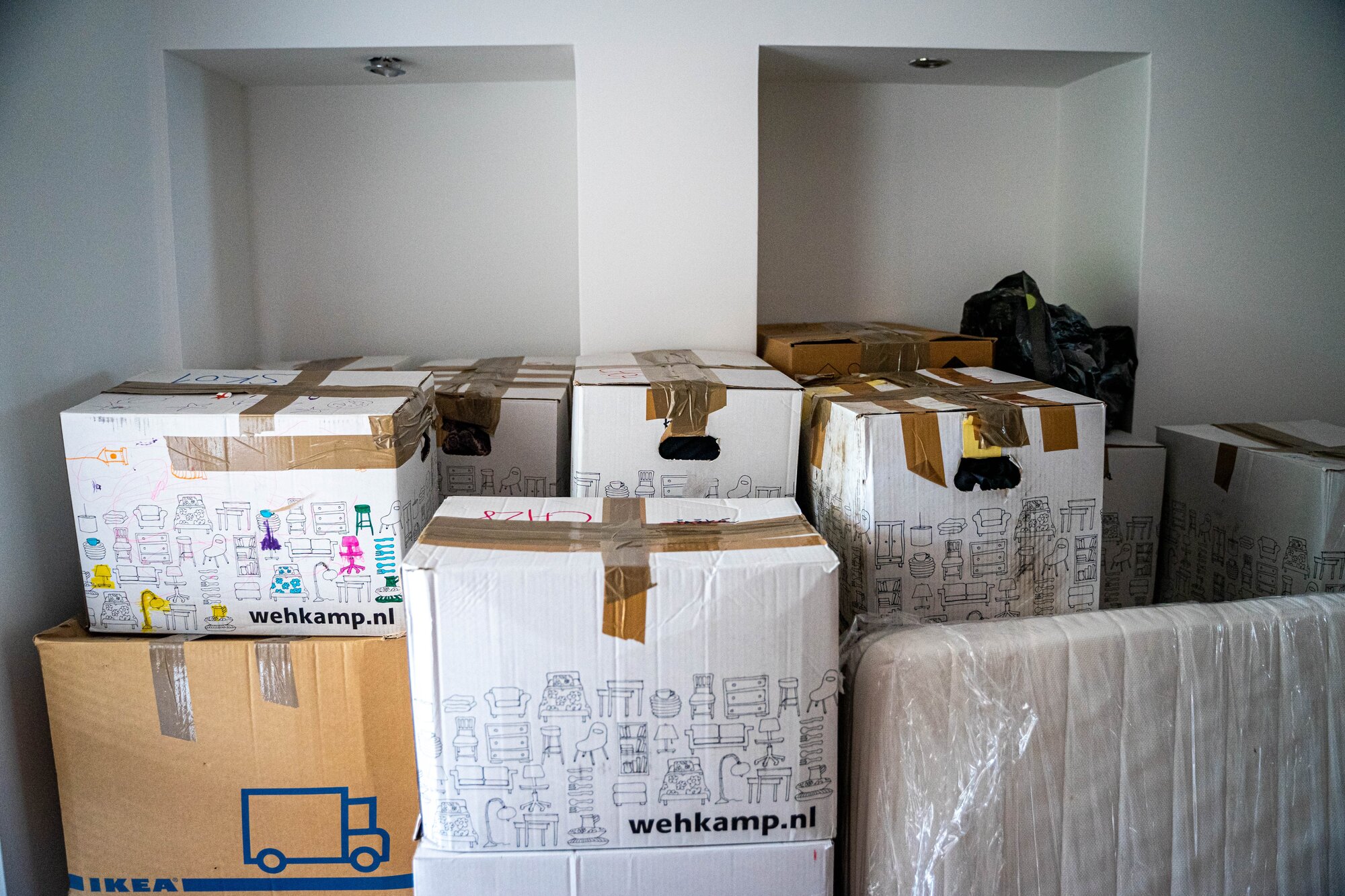
One of the primary domestic applications is decluttering and space optimisation. Many households accumulate belongings over time furniture, keepsakes, paperwork, and equipment that are not used daily but still hold value. Rather than disposing of these items, self storage allows homeowners to retain them in a secure, off-site environment. This is especially beneficial in smaller properties, flats, or homes with limited loft or garage space. By relocating infrequently used items, households can create more functional, organised, and aesthetically pleasing living environments.

Another significant use case is during house moves and property transitions. Moving home rarely occurs in a perfectly synchronised manner. There are often gaps between completion dates, delays in chains, or staging requirements when selling a property. Self storage provides a buffer, allowing individuals to move belongings out in stages, reduce clutter for property viewings, and avoid the pressure of coordinating everything within a tight timeframe. It also reduces the risk of damage during repeated handling, as items can be securely stored once rather than repeatedly transported.

Closely related is the use of storage during home renovations and refurbishments. Renovation projects, whether minor updates or full-scale structural work require clear space for contractors to operate safely and efficiently. Storing furniture, appliances, and personal belongings off-site protects them from dust, debris, moisture, and accidental damage. It also accelerates project timelines, as tradespeople can work without obstruction. For larger projects, storage can be used in phases, allowing items to be reintroduced as areas of the home are completed.

Self storage is also highly effective for seasonal item management. Many households possess items that are only used at specific times of the year, such as garden furniture, barbecues, lawn equipment, winter sports gear, or holiday decorations. Keeping these items at home can consume valuable space year-round. By rotating seasonal belongings in and out of storage, households can maintain a more efficient use of their living areas while still retaining full access when needed.

For families, storage is often used to manage life-stage transitions. Examples include storing baby equipment after children outgrow it, holding furniture for future use, or retaining items for relatives. Rather than making irreversible decisions to sell or discard possessions, storage provides a flexible interim solution. This is particularly relevant for growing families or those planning future moves, as it allows for adaptability without loss.

Another increasingly common application is supporting hobbies and personal interests. Many hobbies such as cycling, DIY projects, collecting, crafting, or musical pursuits, require space for equipment and materials. In homes where space is limited, these activities can become impractical. A storage unit can function as an extension of the home, housing equipment safely and allowing hobbyists to maintain their interests without overcrowding their living space.

Self storage also provides a solution for students and temporary relocations. Students returning home during holidays or individuals undertaking temporary work assignments often require short-term storage. Rather than transporting belongings long distances multiple times, they can store items securely and retrieve them when needed. This is both cost-effective and logistically simpler.

Additionally, storage units are frequently used for inheritance and estate management. Following bereavement or when managing family estates, individuals may need time to sort through belongings and make considered decisions. Self storage offers a respectful and practical way to preserve items during what can be a complex and emotional process, removing the pressure to act quickly.

Finally, there is growing use of self storage for vehicle-related and outdoor equipment storage. While not all facilities accommodate vehicles, many households use storage for items such as bicycles, kayaks, camping gear, or motorbike accessories. This helps free up garages for their intended purpose or compensates for homes that lack such space entirely.

In aggregate, domestic self storage is not merely about “extra room” it is a strategic tool for managing space, reducing stress, and enabling flexibility in response to life’s changes. Facilities like The Storage Hub, with secure internal units and convenient access, allow households in Huntingdon , Sawtry, Alconbury, Godmanchester and St Neots to adapt their living environments without compromise.

Business Uses of Self Storage

Self storage has become an increasingly sophisticated operational asset for businesses in Huntingdon, particularly as companies seek to remain agile, cost-efficient, and scalable in a competitive environment. Rather than committing to long-term commercial leases with significant overheads, many organisations now utilise self storage facilities such as The Storage Hub as a flexible extension of their operational infrastructure.

One of the most prominent applications is inventory and stock management, especially for e-commerce and retail businesses. Online sellers often require space to store products, packaging materials, and fulfilment supplies. A self storage unit provides a secure, organised environment where stock can be held without the financial burden of a warehouse lease. Businesses can implement shelving systems within their units, effectively creating a micro-fulfilment centre that supports order picking, packing, and dispatch operations. This is particularly advantageous for start-ups and growing enterprises that need to scale storage capacity in line with demand.

Closely related is the use of storage for seasonal stock and demand fluctuations. Many businesses experience cyclical peaks such as increased retail activity during Christmas or summer trade for outdoor goods. Self storage enables companies to expand their storage footprint temporarily, accommodating additional inventory during peak periods and reducing space when demand subsides. This elasticity is a key advantage over fixed commercial premises, where unused space still incurs cost.

Another critical use case is document archiving and records management. Businesses across multiple sectors are required to retain records for legal, financial, or regulatory purposes. Storing large volumes of paperwork on-site can consume valuable office space and create organisational challenges. A storage unit provides a secure, off-site archive where documents can be systematically stored and accessed when required. With appropriate labelling and indexing, businesses can maintain compliance while keeping their primary workspace uncluttered and efficient.

Self storage is also widely used by tradespeople and contractors. Electricians, plumbers, builders, and other service providers require secure locations for tools, materials, and equipment. Leaving these items in vehicles overnight presents both security risks and insurance complications. A storage unit offers a safer alternative, reducing the risk of theft and allowing tradespeople to organise their equipment more effectively. Additionally, having a central storage location can improve operational efficiency, as materials can be prepared in advance for upcoming jobs.

For service-based businesses, self storage can function as a logistics hub. Event companies, catering businesses, photographers, and marketing agencies often need to store equipment such as staging materials, lighting, props, or promotional assets. These items are typically used intermittently but require secure and accessible storage. A dedicated unit ensures that equipment remains protected and readily available, reducing setup times and improving service delivery.

Self storage also supports business continuity and contingency planning. In the event of office relocations, refurbishments, or unexpected disruptions, companies can use storage units to temporarily house furniture, IT equipment, and operational assets. This ensures minimal downtime and allows businesses to transition smoothly between premises or adapt to unforeseen circumstances.

An increasingly relevant application is for remote and hybrid working models. As organisations reduce traditional office footprints, they often require alternative spaces to store equipment, documents, and surplus furniture. Self storage provides a decentralised solution, enabling businesses to maintain operational resources without maintaining large office spaces. Employees can access stored items as needed, supporting flexible working arrangements.

Self storage is also valuable for start-ups and micro-businesses operating from home. Many entrepreneurs begin by running their businesses from residential properties, but quickly encounter limitations in space and organisation. A storage unit allows them to separate business operations from their home environment, improving professionalism, organisation, and work-life balance. It also creates a more scalable foundation as the business grows.

For companies involved in import/export or distribution, storage units can serve as interim holding spaces for goods in transit. This is particularly useful for managing supply chain timing differences, where goods arrive before they are needed for distribution. By using self storage, businesses can avoid congestion at primary sites and maintain smoother operational flow.

Finally, self storage can support cost optimisation strategies. Compared to traditional commercial property, storage units typically involve lower upfront costs, no long-term lease commitments, and flexible terms. This allows businesses to allocate capital more efficiently, investing in growth activities rather than fixed overheads. The ability to scale space up or down also ensures that businesses only pay for what they actually use.

Business use of self storage extends far beyond simple space provision. It functions as a dynamic, scalable resource that supports logistics, operations, compliance, and growth. Facilities such as The Storage Hub, with secure internal units, flexible access, and a range of sizes, provide businesses in Huntingdon with a practical and cost-effective alternative to traditional commercial premises.
Selecting the Correct Storage Unit Size

Choosing the appropriate unit size is essential for both cost efficiency and practicality.

Storage units at The Storage Hub range from approximately 20 sq ft to 300 sq ft, accommodating everything from a few boxes to the contents of a large home or business inventory .

Smaller Internal Storage units are ideal for:

  • Boxes, documents, or seasonal items
  • Student storage
  • Personal effects from a single room

Medium Internal Storage units typically suit:

  • Contents of a one- to two-bedroom property
  • Business stock or equipment
  • Furniture storage during renovations

Larger units Internal Storage are appropriate for:

  • Full house moves
  • Commercial inventory
  • Long-term business storage requirements

When selecting a unit, customers should consider not only the volume of items but also how frequently they will need access. Efficient packing and the use of shelving can significantly increase usable space.

Facilities often recommend viewing units in person before booking, as layouts and ceiling heights can vary slightly between units

QR reader at The Storage Hub Huntingdon

Key Considerations When Choosing a Storage Facility

When evaluating storage options in Huntingdon, customers should focus on five primary factors:

  • Location: Proximity to home or business for ease of access
  • Security: Comprehensive systems including CCTV and controlled entry
  • Unit Variety: Availability of sizes and configurations
  • Cost Transparency: Clear pricing and flexible terms
  • Ability to add Racks and Racking
  • Accessibility: Suitable access hours and operational convenience

These factors consistently rank as the most important considerations for individuals selecting a storage facility .

Guide to Self Storage in Huntingdon

Self storage is no longer a niche service; it is an integral part of modern living and business operations in Huntingdon. As demand continues to grow, facilities like The Storage Hub provide a professional, secure, and flexible solution tailored to both domestic and commercial users.

By combining advanced security systems, convenient access, a wide range of unit sizes, and purpose-built internal environments, self storage enables individuals and businesses to optimise space, reduce stress, and operate more efficiently.

For anyone considering storage in Huntingdon, Cambridgeshire and St Ives, understanding these core principles ensures an informed decision, one that delivers both practicality and peace of mind. For businesses in Cambridgeshire serviced offices are available at Brightfield Business Hub and serviced accommodation at Ascot House Hotel

Looking for more information on storage unit sizes and cost?